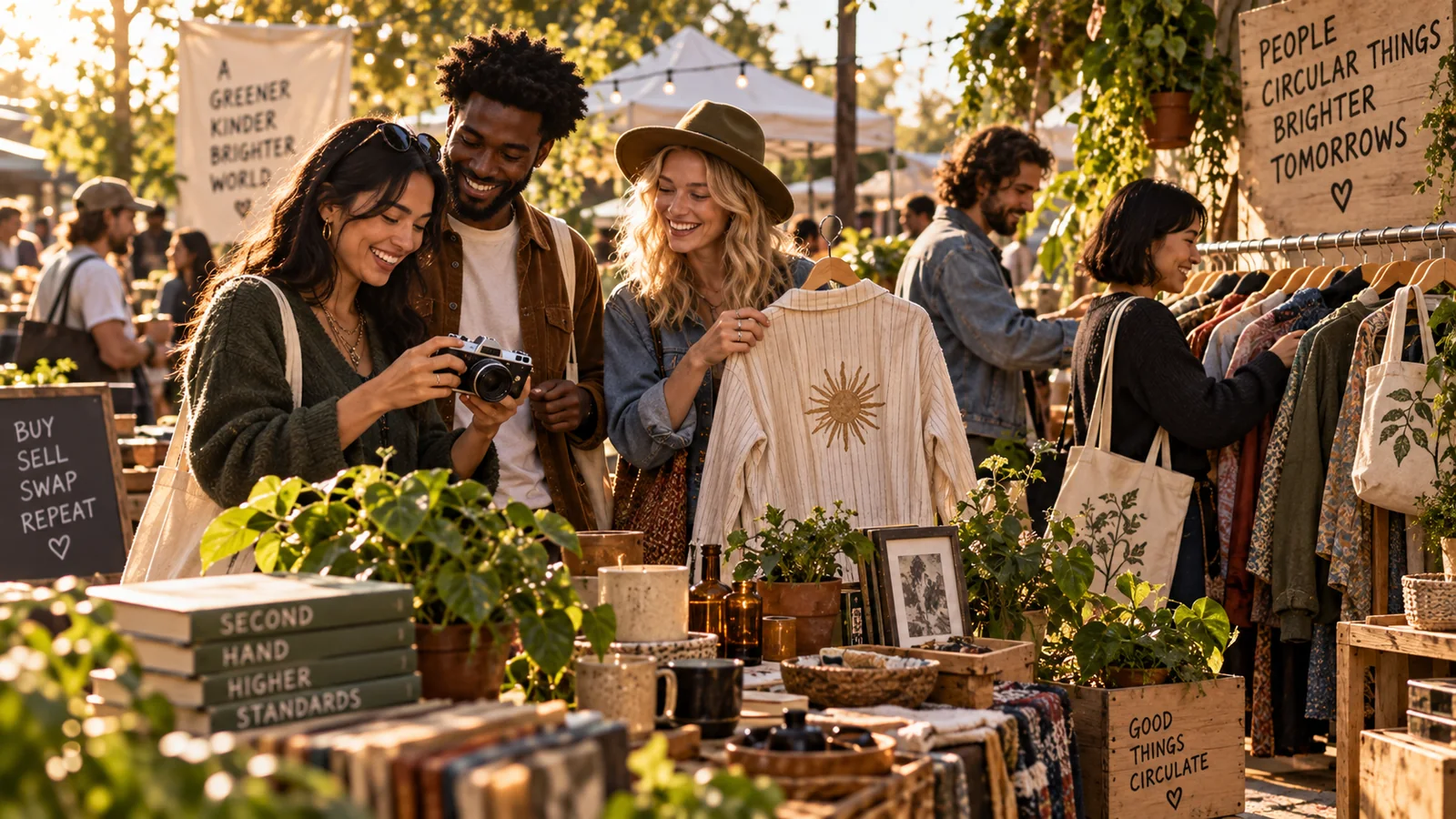
 Reuse becomes local impact when people choose goods already in circulation.
RAWG COMMUNITY IMPACT
Good things move forward.
RAWG recognizes both sides of reuse. Sellers keep usable goods moving. Buyers choose reuse instead of unnecessary replacement. Community reports use completed RAWG transactions, privacy-safe city/state participation, and transparent estimates rather than exposing home locations or pretending every item has the same environmental footprint.
Community sharing is optional. A user can create a RAWG handle and still keep their profile, impact, leaderboard status, or review history private.
Reuse you can see.Track completed reuse activity by community while exact seller homes, precise coordinates and private device photo libraries remain outside the public report.
Reuse becomes local impact when people choose goods already in circulation.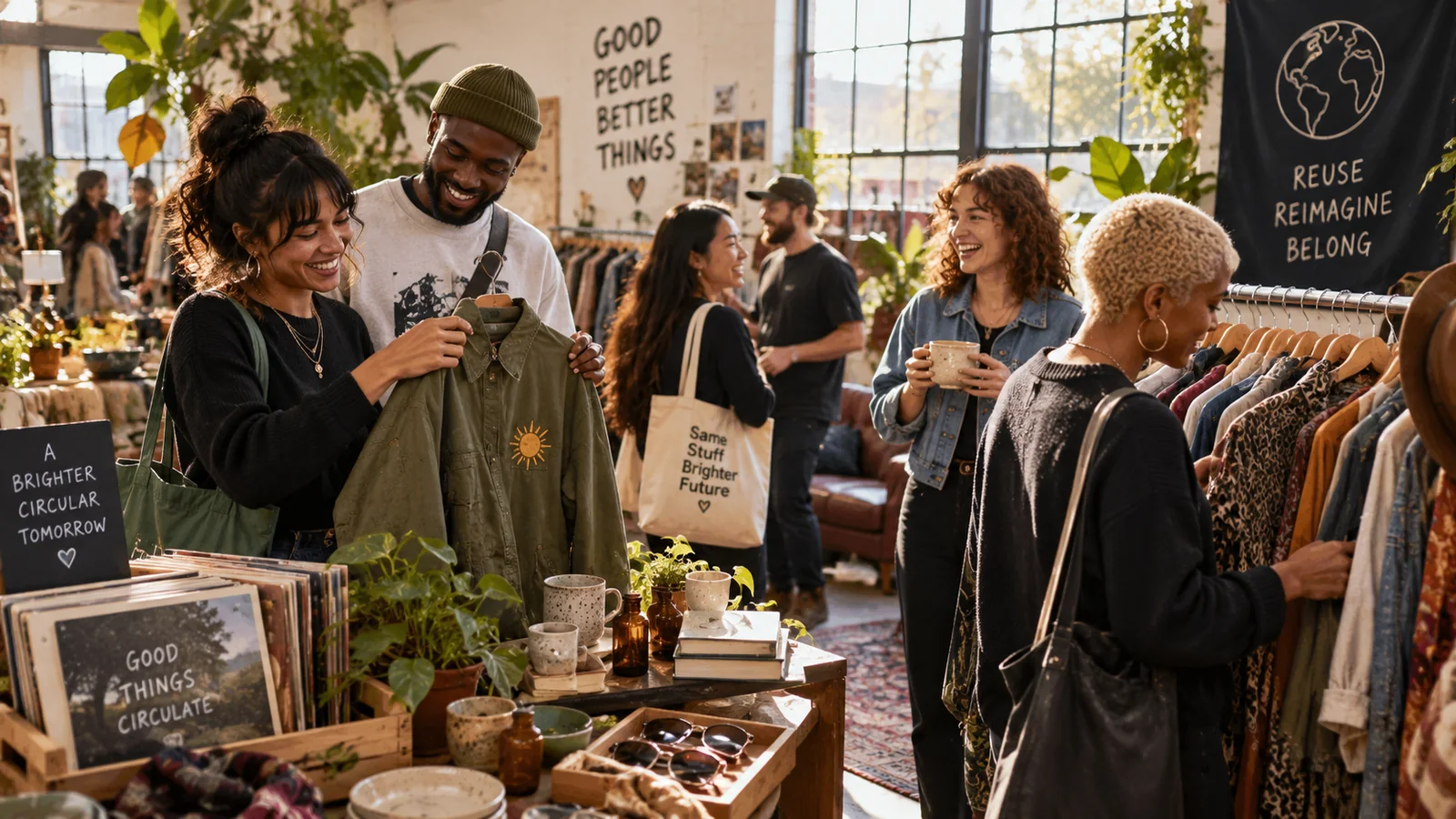 Buyers and sellers both help their community keep useful goods moving.
0completed reuse transactions
0 lbestimated goods kept in use
$0item value recirculated
0participating community members
COMMUNITIES USING RAWG
See where reuse is moving.
Filter by city and state or view the network. The report counts completed RAWG transactions tied to users who explicitly share a city/state community identity.
Community activity
Top reused categories
Category weights are directional RAWG estimates and are not scale measurements.
OPT-IN RECOGNITION
Community leaderboard.
Buyers and sellers can choose to appear. Rankings use completed reuse participation—not spending, wealth, exact location, or private account data.
YOUR RAWG IDENTITY
Create a handle. Choose what the community sees.
BUYERS + SELLERS
Your impact belongs to you.
Your public handle can show verified buyer reviews, verified seller reviews, reuse purchases, reuse sales and community recognition. Nothing appears on the leaderboard unless you opt in.
Sign in to see your private impact dashboard.
PRIVACY BY DESIGN
Community without exposing the household.
Device-first seller photos
RAWG’s marketplace control plane stores listing metadata and media pointers rather than treating a seller’s private photo library as a public cloud album. Sellers choose what becomes a listing.
No home-address leaderboard
Community reports use user-selected city/state labels. Exact seller home addresses and precise seller coordinates are not leaderboard inputs.
Verified reputation
Buyer and seller reviews unlock only after a completed transaction. Reviews are blind until both sides submit or the review window expires.
HOW THE ESTIMATE WORKS
Transparent, not exaggerated.
RAWG measures what it actually knows—completed marketplace transactions—and labels environmental estimates clearly. It does not claim every secondhand purchase guarantees a fixed carbon, water or landfill reduction.
U.S. EPA — Textiles: Material-Specific Data
EPA reports 17.03 million U.S. tons of textiles generated and 11.3 million tons landfilled in 2018. RAWG uses public waste context to explain why keeping useful goods circulating matters.
View EPA source ↗U.S. EPA — Waste Reduction Model (WARM)
EPA WARM is designed for high-level comparisons of materials-management practices including source reduction, recycling and landfilling. RAWG’s first community dashboard stays conservative and reports directional category-weight estimates.
View EPA WARM ↗